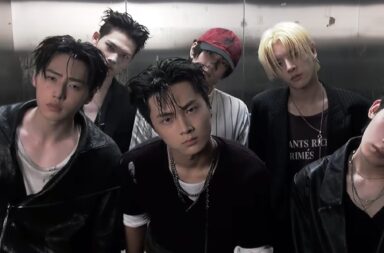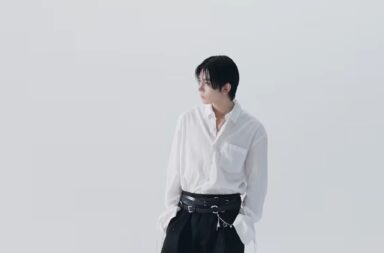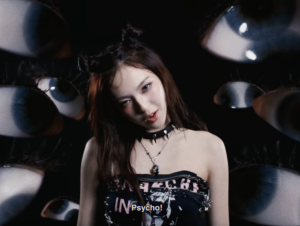
Babymonster have released a video for b-side “Psycho” that lives up to the group’s tagline “Baby, I’m a monster.” Combining cinematic horror visuals with the members’ energy, spunk, and confidence, “Psycho” feels like the perfect demonstration of what Babymonster can do. It helps that the music, imagery, acting, styling, choreography, and editing are all well-executed and serve the creative concept.
As stated in its chorus, “Psycho” revolves around the idea that “we’re all a little insane.” Cleverly, during quieter moments, the song interpolates the shrieking, discordant string riff from the murder scenes in Alfred Hitchcock’s Psycho. Mainly, however, the song portrays insanity through an entertaining blend of genres, putting thumping dance beats and speedy rap verses alongside electric guitar.
The song structure does not necessarily stray from classic YG patterns, especially with a slower, vocally driven bridge giving rise to an anthemic ‘party outro.’ While it follows a proven formula, “Psycho” manages not to feel formulaic. Its outro, which launches into punk, feels like an intuitive yet exciting conclusion to the genre mixing in the rest of the song.
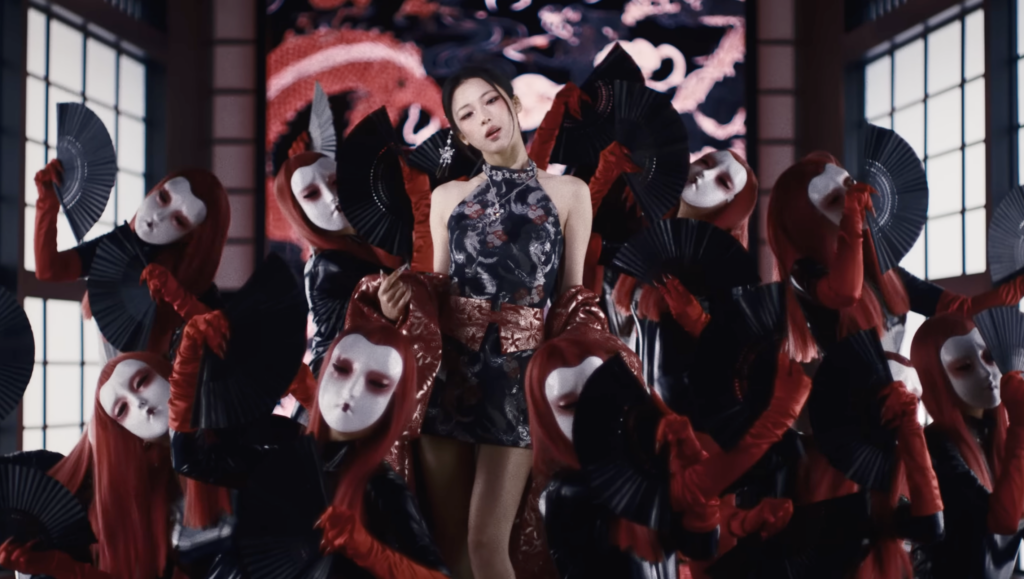
The MV matches its genre blending with a mix of different sets: a runway that looks like it is inside a ribcage, a junkyard on fire, and a crime scene, to name a few. Calling back to fight scenes from “We Go Up,” Ruka wields a katana as she is flanked by masked figures like those in noh theatre. Like the music, the MV succeeds in connecting these disparate moments. The predominantly red and black color palette helps cohere the different scenes, as does the masterful combination of dynamic camera movements and strategically timed cuts. For example, Ahyeon hits a golf ball, which sails into Asa’s mouth, and then morphs into grillz that read “Psycho.” Such moments are humorously over-the-top, but also replicate the surreal experience of dreaming: nothing makes logical sense, but one just goes along with the ride.
Along with the camera work and editing, “Psycho” creates dream logic through its dark yet compelling imagery. ‘Nightmare’ would be a more precise description, with unsettling images like floating eyes and oversized black birds. At times the MV evokes horror movies, such as the ‘stranger in the house’ trope, where Pharita walks through pitch black rooms where masked figures are lurking.
One fascinating aspect of the MV is that the members both fear for their safety and commit potential acts of violence. In one scene, Rora wakes up on the floor of a kitchen that is blocked off by police tape. Her facial expressions convincingly portray confusion and fear. A few beats later, however, she throws a kitchen knife where Chiquita is standing. Meanwhile, Pharita, who fled from masked figures earlier in the MV, peeks through blinds with the title “Baby Psycho” scrawled over her image. Reflecting the lyric “every rose has its thorn,” the MV depicts how human beings are complex, with an unpredictable dark side.
This is not to suggest that the MV feels too heavy or takes itself too seriously, especially when dance sequences dominate the chorus and the outro. Some parts of the choreography, like thrashing head movements, mimic the psycho theme, but they also bring infectious, playful energy. As a whole, “Psycho” delves into darkness, but never loses sight of the fun, which makes it a thrilling viewing experience. After all, as the song says, we are all just a little psycho.